
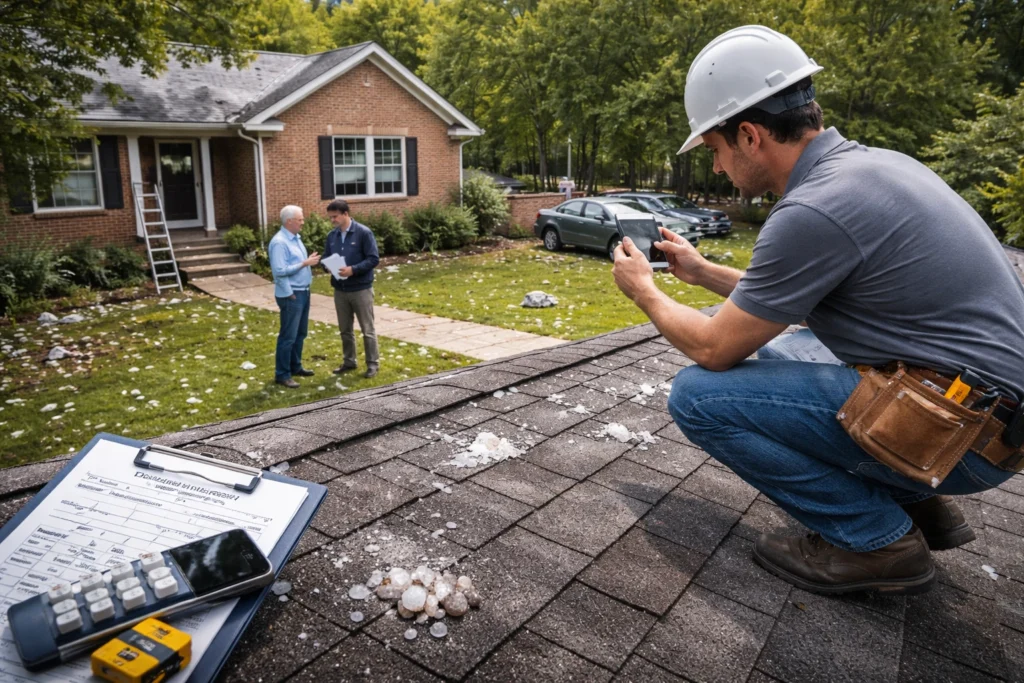
A denied insurance claim can feel like a punch to the gut. You did everything right or at least you thought you did and now you’re staring at a letter that says no. If you’re dealing with what to do if your hail claim was denied in Texas, you’re not alone. And more importantly, you’re not out of options.
I’ve seen this scenario play out countless times. A storm rolls through. Damage is obvious. A claim is filed. Then denied. It’s frustrating. It’s confusing. But here’s the truth: a denial is not the end of the road. It’s the beginning of your next move. Let’s walk through exactly what you should do next, step by step.
Why Hail Claims Get Denied in Texas
Texas is one of the most hail-prone states in the country. That means insurers deal with a massive volume of claims every year. And when volume goes up, scrutiny follows.
Common Reasons for Denial
Here’s where things usually break down:
- Insufficient proof of damage
- Damage classified as wear and tear instead of hail-related
- Missed deadlines for filing or follow-up
- Policy exclusions that weren’t fully understood
- Inconsistent documentation submitted with the claim
Sometimes the issue isn’t the damage itself it’s how the claim was presented. In places like Fort Worth, where hailstorms are frequent, insurers often apply stricter review standards simply because of the high number of claims.
Insurance Company Tactics to Watch
Let’s be direct. Insurance companies are not in the business of overpaying claims.
Watch for these patterns:
- Lowball repair estimates
- Delayed inspections
- Adjusters who downplay damage severity
- Claims labeled as “cosmetic” rather than functional damage
These tactics don’t always mean bad faith but they do mean you need to stay sharp.
Step 1: Review Your Denial Letter Line by Line
Don’t skim it. Don’t toss it aside. Study it. Your denial letter is your starting point for a comeback.
What to Look For
- The exact reason for denial
- Policy clauses referenced
- Missing documents or evidence
- Any inconsistencies in the insurer’s explanation
One sentence could reveal everything. Seriously. Sometimes the entire case hinges on a single phrase.
Step 2: Re-Inspect Your Property Thoroughly
Now you go back to the scene but this time with intention.
Exterior Areas to Check
- Roof shingles (look for dents, cracks, or missing granules)
- Gutters and downspouts
- Siding panels
- Window frames and seals
- Outdoor units like AC systems
Interior Warning Signs
- Water stains on ceilings
- Peeling paint or bubbling drywall
- Subtle leaks or moisture smells
Hail damage isn’t always dramatic. Often, it’s subtle. But subtle damage can lead to serious issues later.
Step 3: Build Stronger Evidence
This is where you turn your claim from weak to compelling.
What to Collect
- High-resolution photos and videos
- Time-stamped documentation
- Weather data confirming the storm
- Contractor estimates
If you’re unsure where to begin, learning How to Document Hail Damage for an Insurance Claim can significantly improve your chances of reversing a denial.
For weather verification, you can reference reliable sources like National Oceanic and Atmospheric Administration to confirm storm activity on specific dates.
Pro Tip
Take photos from multiple angles. Close-ups and wide shots. Show context. Make it undeniable.
Step 4: Request a Second Inspection
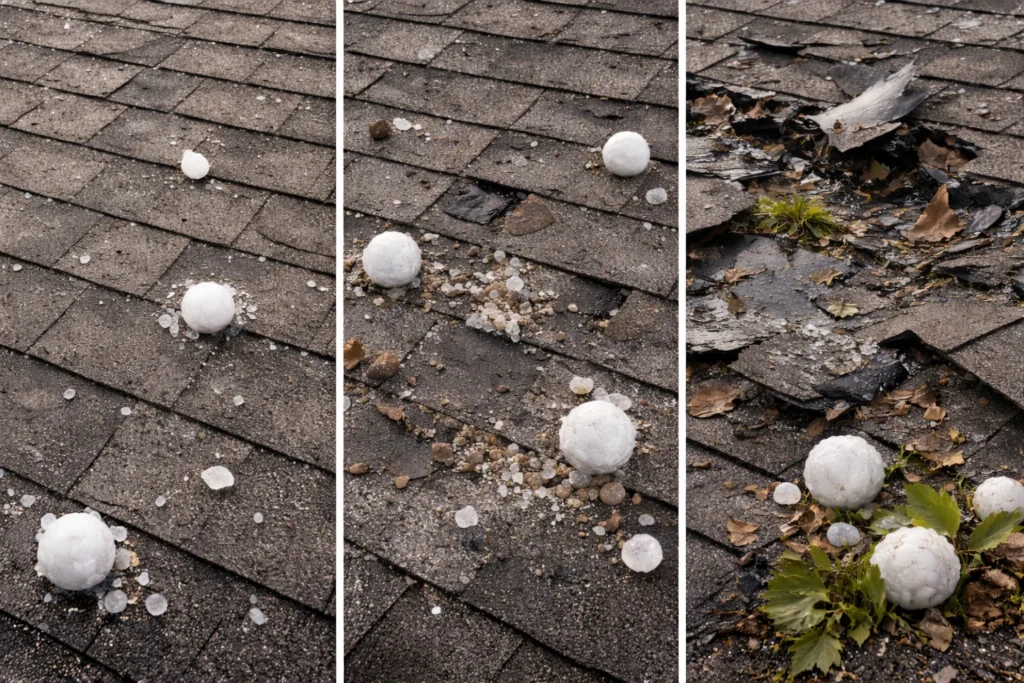
You’re allowed to challenge the initial assessment.
How to Do It Right
- Submit a formal written request
- Include new evidence
- Be professional and specific
What Changes the Outcome
A second inspection often means:
- A different adjuster
- A fresh evaluation
- A more detailed review
And yes, claims get reversed at this stage more often than you’d think.
Step 5: Get an Independent Contractor or Roofing Report
Now you bring in outside expertise. A licensed contractor doesn’t have a financial interest in denying your claim. That matters.
What a Strong Report Should Include
- Detailed description of damage
- Clear identification of hail impact
- Estimated repair or replacement costs
- Photo documentation
This report becomes a powerful piece of leverage.
Step 6: Hire a Public Adjuster
If your claim still isn’t moving, this is where things shift.
A public adjuster works for you. Not the insurance company.
What They Actually Do
- Analyze your policy in depth
- Rebuild your claim strategy
- Handle negotiations
- Push for a fair settlement
In high-claim areas like Fort Worth, local experience matters. A public adjuster who understands regional storm patterns and insurer behavior can dramatically improve your outcome.
Step 7: File a Formal Appeal
Now you push back with structure.
What to Include
- A clear explanation of why the denial is incorrect
- Supporting evidence (photos, reports, weather data)
- Contractor or adjuster documentation
- Relevant policy language
Keep It Focused
Avoid emotional language. Stick to facts. Think like you’re presenting a case because you are.
Step 8: File a Complaint with the Texas Department of Insurance
If your insurer isn’t responding fairly, escalate.
When to Take This Step
- You’re being ignored
- The denial lacks clear justification
- The process is dragging
What Happens Next
The Texas Department of Insurance may:
- Review your case
- Request a response from the insurer
- Investigate claim handling
It adds pressure and accountability.
Step 9: Consider the Appraisal Process
This is a built-in dispute resolution option in many policies.
How It Works
- You hire an appraiser
- The insurer hires one too
- A neutral umpire reviews both sides
- A binding decision is reached
It’s faster than going to court. And often effective.
Step 10: Legal Action (If Necessary)
Sometimes, you need to go further.
When to Consider It
- High-value claim disputes
- Evidence of bad faith handling
- Repeated denial despite strong evidence
Legal action isn’t always the first move but it can be the final one.
Common Mistakes to Avoid After a Denial
This is where many homeowners lose momentum.
Avoid these pitfalls:
- Accepting the denial too quickly
- Failing to gather strong evidence
- Missing deadlines
- Relying solely on the insurer’s assessment
One mistake can cost you thousands. Stay sharp.
How Long Do You Have to Act in Texas?
Timing matters more than most people realize.
Key Deadlines
- Policy-specific deadlines for appeals
- Texas statute of limitations (typically 2 years)
Miss these windows, and your options shrink fast.
Why Hail Claims Are Especially Complex in Texas
Texas storms aren’t minor. They’re intense. And frequent.
What Adds Complexity
- High volume of claims
- Wide variation in roofing materials
- Insurer scrutiny increases in hail-heavy zones
- Damage may not be immediately visible
In Fort Worth, this complexity shows up in how aggressively claims are evaluated and sometimes denied.
How Public Adjusters Help Maximize Your Claim
Let’s talk results.
Public adjusters often:
- Identify damage others miss
- Accurately calculate repair costs
- Negotiate more aggressively
- Increase settlement amounts
It’s not uncommon for claims to improve significantly after professional involvement.
Preventing Future Claim Denials
You can’t stop hail. But you can control how prepared you are.
Smart Preventative Steps
- Schedule annual roof inspections
- Keep detailed home condition records
- Understand your policy before you need it
- Upgrade coverage where necessary
Preparation reduces friction later.
When to Call a Public Adjuster Immediately
Don’t wait too long.
Call early if:
- Your claim is denied
- Damage is extensive
- Communication breaks down
- You feel overwhelmed
Early action can change everything.
Quick Action Checklist
Here’s a simple plan you can follow:
| Step | Action |
| 1 | Review denial letter |
| 2 | Gather new evidence |
| 3 | Request re-inspection |
| 4 | Get contractor report |
| 5 | Hire public adjuster |
| 6 | File appeal |
| 7 | Escalate if needed |
Simple. Clear. Effective.
Real-World Scenario: Turning a Denial Into Approval
Let’s make this practical.
A homeowner files a hail claim after a major storm. The insurer denies it, stating “no functional damage.” The homeowner doesn’t give up.
They:
- Hire a contractor
- Document new damage
- Request re-inspection
- Bring in a public adjuster
Result? The claim gets approved with a significantly higher payout than originally expected.
It happens. Often.
A Deeper Look at Documentation: Why Detail Wins Claims

Here’s something many homeowners underestimate: documentation isn’t just helpful it’s decisive.
Insurance companies rely heavily on written and visual records. The more detailed your documentation, the harder it becomes for them to deny or underpay your claim. Interestingly, this level of structured documentation resembles the concept of Epistemology the study of how we know what we know. In claims, your evidence becomes your “proof of knowledge.” No proof? No payout.
What Strong Documentation Looks Like
- Sequential photo timelines (before, during, after storm)
- Written logs of conversations with insurers
- Copies of all submitted forms and emails
- Independent inspection reports
Think of your claim file like a case file. Organized. Clear. Undeniable.
Final Thoughts
Dealing with what to do if your hail claim was denied in Texas isn’t just about frustration it’s about strategy. You have options. More than you think. A denial is not final. It’s just a position. One you can challenge, strengthen, and overturn with the right approach. Stay persistent. Stay informed. And don’t let one letter define your outcome.
FAQs
Start by carefully reviewing your denial letter to understand the exact reason and identify what evidence or information may be missing.
Yes, you can request a re-inspection or file an appeal if you have new evidence or believe the denial was incorrect.
Most policies have strict deadlines, and Texas law typically allows up to two years to take legal action, so act quickly.
A public adjuster can strengthen your case by gathering evidence, reviewing your policy, and negotiating directly with your insurer.
You can challenge this by providing contractor reports and documentation that clearly show the damage was caused by hail.
Yes, verified weather data can confirm that a hailstorm occurred in your area on the date of damage.
It’s a dispute resolution method where both sides hire appraisers and a neutral umpire decides the claim value.
Absolutely, a second inspection especially with new evidence can lead to a different outcome.
Yes, you can file a complaint with the Texas Department of Insurance if you believe your claim was handled unfairly.
In many cases, yes denials can be overturned, and proper documentation and support can significantly improve your chances of success.